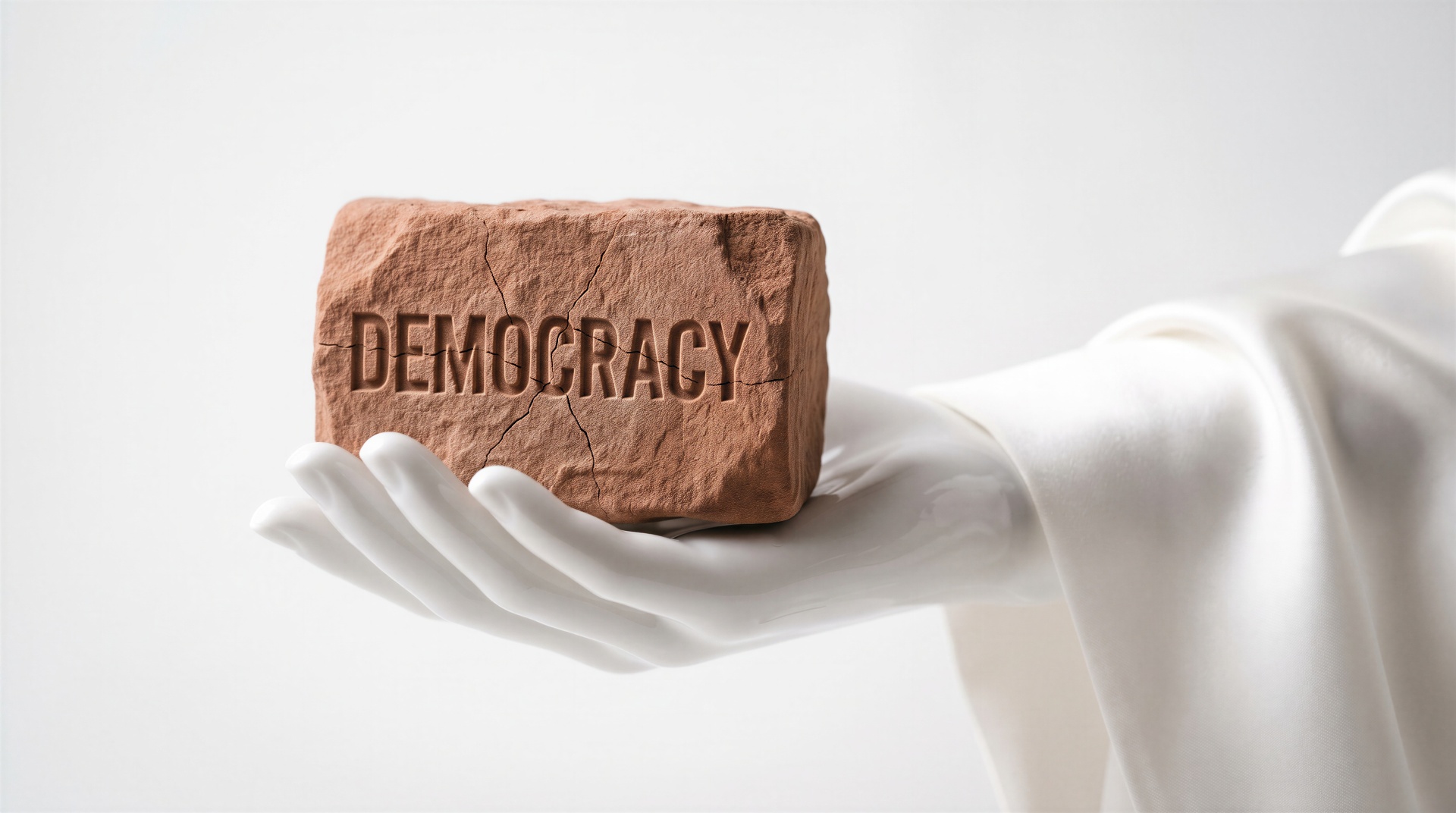
Half of the committee days on the Representation of the People Bill in the House of Lords are now behind us. The Committee Stage is almost complete. And yet, how many people outside Westminster even know this?
We are witnessing the parliamentary scrutiny of one of the most consequential pieces of democratic legislation in a generation, yet the process has received remarkably little public attention. Why is that? Why is legislation that could shape the future of our democracy passing with so little scrutiny beyond Parliament?
Perhaps we need to look more closely at where power sits, who holds it and who benefits from the way our political system currently operates.
The concentration of political influence and wealth in the hands of a privileged few raises fundamental questions about democratic accountability. When money can buy access, influence and proximity to power, the principle that every voice should count equally is put under pressure. This is not simply a question of electoral rules or political donations. It is a question of who gets to shape our democracy.
Which makes the Government's position all the more important. A Labour Government, led by a Prime Minister who has spoken about electoral reform and tackling corruption, should be making the case for democratic renewal. Yet, where is the political leadership on this Bill? Why isn't the Government more publicly championing the reforms needed to make our democracy fairer, more transparent and more accountable?
As the Lords Committee Stage draws to a close, there is an important opportunity to reflect on what has been scrutinised, what has been challenged and what remains unresolved. The conversation cannot end when committee proceedings do.
And this is not just a Westminster issue. Look at COP31. The failure to reach agreement on key areas of climate action demonstrates the challenges of international decision-making, particularly when competing interests, unequal influence and political priorities stand in the way of collective progress. The consequences of these decisions, however, are not shared equally. Those with the least influence over negotiations are often among those most impacted by their outcomes.
From the corridors of Parliament to the international negotiating tables at COP31, the same fundamental questions persist: who has a seat at the table? Whose voices shape the decisions? Who holds power, and who holds them to account?
Democracy is not confined to elections, ballot papers or parliamentary procedure. It is about political finance, representation, participation, transparency and accountability that must constantly take place in every aspect of people's lives. From bin collection to declrations of war, It is about the distribution of power and whether people have a meaningful say in the decisions that shape their lives.
While some would have us believe that these issues have nothing to do with democracy, it is increasingly clear that the opopsite is true.
In short, EVERYTHING is democracy.


