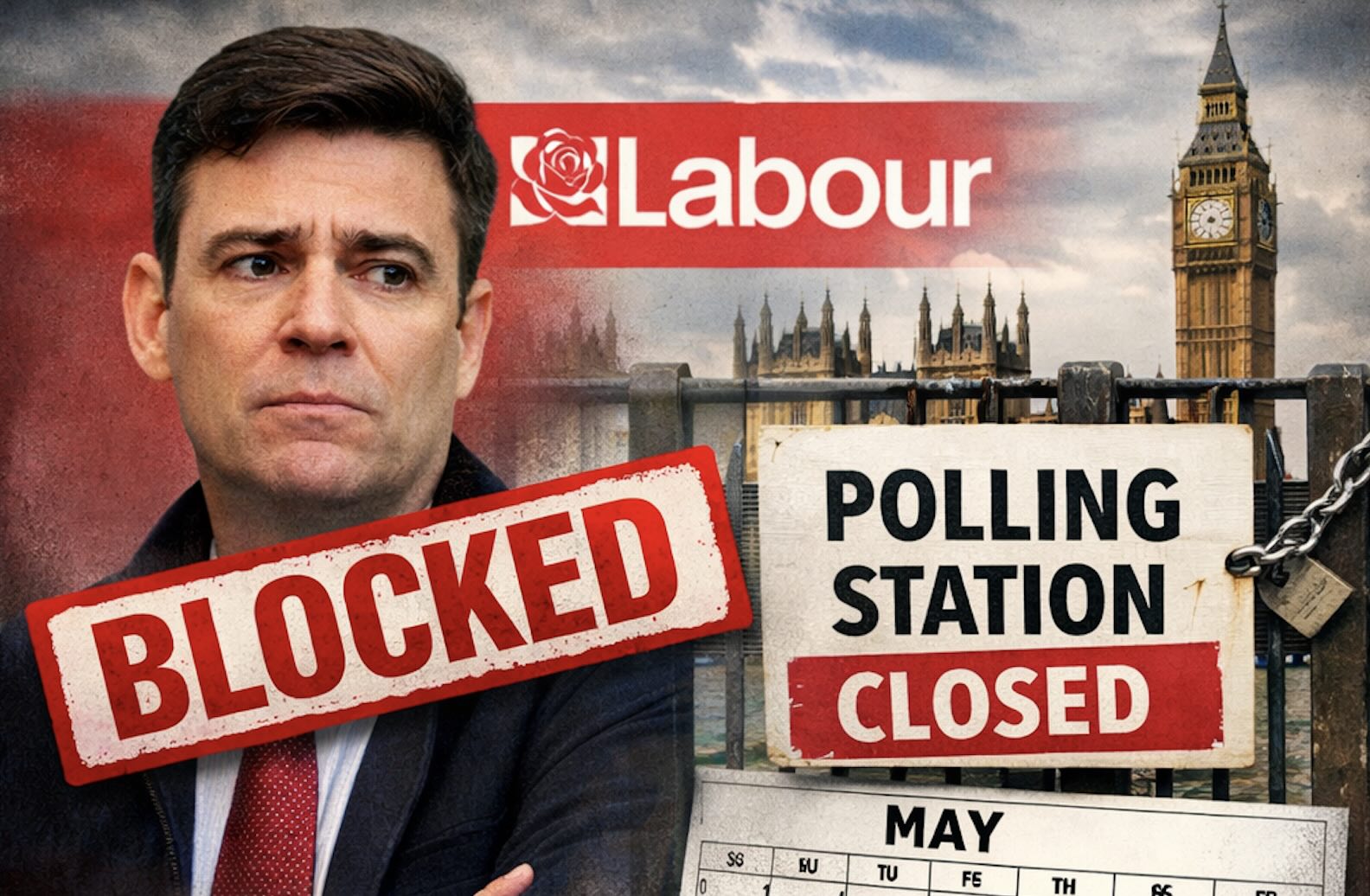
The recent Andy Burnham case illustrates how democratic choice can be curtailed not by voters, but by internal party structures. The Labour Party’s internal leadership blocked his attempt to stand in a parliamentary by-election — highlighting how internal party structures and discretionary decisions can constrain democratic choice. In this case, a powerful party body (the National Executive Committee) voted to block a popular elected mayor from contesting a seat, citing costs and strategic concerns rather than voter will.
In addition, several local and mayoral elections scheduled for May have been cancelled or delayed as part of wider local government restructuring, affecting millions of voters’ ability to choose their representatives. Critics across the political spectrum have described this as a serious democratic issue, with claims it effectively denies people their right to vote and risks weakening democratic accountability.
Concerns about democratic choice are further amplified by the recent cancellation and postponement of several local and mayoral elections scheduled for May. As part of wider local government restructuring, millions of voters have been denied the opportunity to choose their representatives on the expected timetable. The absence of clear safeguards in current law makes such postponements possible without sufficient public input — which broadens the case for updating electoral law to prevent arbitrary or politically convenient cancellations.
Taken together, these developments expose real gaps in how UK elections lack protection. Without strong legal safeguards, elections can be delayed or restricted with little public say. A robust Elections Bill -hopefully on the near horizon- is urgently needed — one that puts voters first, reins in excessive political discretion, and ensures democratic choice can’t be brushed aside for convenience or control.


