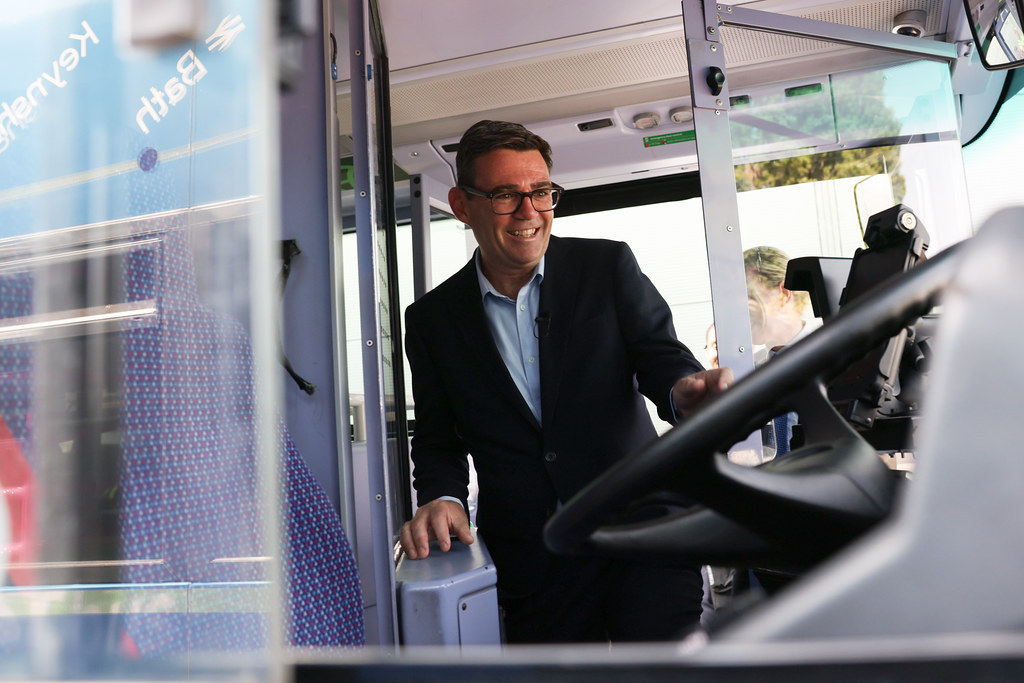
Andy Burnham has announced new measures to tackle antisocial behaviour on public transport, including fines of up to £100 for passengers who play loud music on buses and a national campaign urging rail passengers to use headphones. The proposals aim to address everyday frustrations for commuters, but questions remain over how the rules will be enforced and whether sufficient resources will be available.
While these proposals may capture public attention, it is important that the political conversation does not lose sight of the legislation with far-reaching consequences for our democracy.
The Representation of the People Bill is a significant opportunity to address how our electoral system works, who gets to participate and how political power is held to account. Its provisions on votes at 16, voter registration, political donations, campaign transparency and candidate safety raise fundamental questions about democratic participation, electoral integrity and public trust.
These issues deserve sustained attention from Parliament, political parties and civil society. Decisions made through this Bill will help shape the rules governing our elections and the conditions under which people engage with the democratic process. Scrutiny must go beyond the headlines to examine whether the legislation delivers meaningful improvements and addresses the barriers that prevent people from participating fully.
While proposals such as fines for playing loud music on public transport focus on how people behave in public spaces, the Representation of the People Bill concerns the rules that govern our democracy. Both deserve scrutiny, but the Bill demands sustained attention to ensure that the right to participate in our democracy is protected, political influence is transparent, and our electoral system is fair and accountable.


