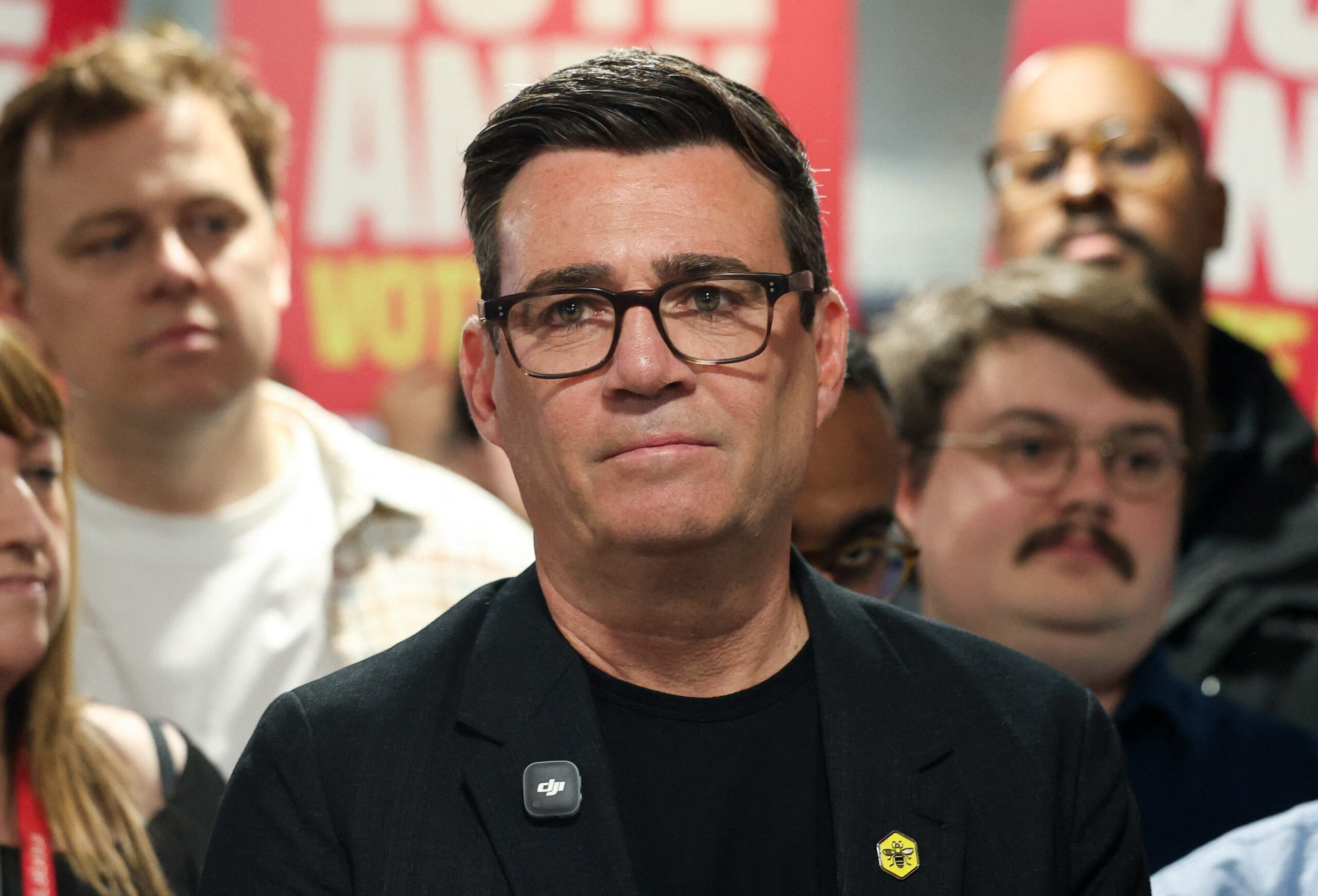
The Representation of the People Bill is an important opportunity to rebuild trust in our democracy. Andy Burnham’s decision to withdraw his support for a cap on political donations risks leaving one of the biggest inequalities in our political system untouched.
The Bill is meant to be about renewing our democracy — making elections fairer, strengthening participation and restoring trust in a political system that too many people feel no longer works for them.
That is why Andy Burnham’s reported U-turn on political donations is so disappointing.
Burnham previously backed the principle of a £500,000 cap on political donations, with the possibility of reducing that limit over time. He is now reported to have withdrawn his support for Stella Creasy’s amendment to the Representation of the People Bill, which would establish a cap and progressively reduce it towards £100,000.
This is not simply a disagreement over party financing. It is a question of who gets to participate meaningfully in our democracy.
Millions of people already feel politically powerless. They are struggling with the cost of living, disengaged from Westminster and increasingly sceptical that politics can deliver change for people like them. At the same time, Britain allows individuals with enormous personal wealth to inject sums of money into our politics that ordinary voters could never hope to match.
That imbalance matters.
When one person can donate hundreds of thousands — or millions — of pounds to political parties, their ability to influence political debate is inevitably very different from that of someone who cannot afford to make a donation at all.
For an already disenfranchised electorate, this risks reinforcing the message that politics is something done to people, rather than something they have a meaningful stake in.
The Government has recognised the need to strengthen our political finance rules. The Representation of the People Bill includes important measures to address foreign interference and tighten the rules around political donations. But protecting our democracy from foreign money cannot mean ignoring the influence of vast amounts of domestic wealth.
A billionaire does not become less capable of buying political influence simply because they happen to have a British address.
That is why Stella Creasy’s amendment is so important.
Her proposal would establish a meaningful limit on political donations, initially setting the ceiling at £500,000 before allowing it to fall to £100,000. It would apply a clear principle across our politics: no individual should be able to use their personal wealth to acquire a vastly greater political voice than everyone else.
This is a better approach than leaving the issue for another day.
The Representation of the People Bill is already in Parliament. It is precisely the vehicle through which we can make our political system fairer. Parliament should not have to wait for another crisis, another mega-donor or another election dominated by questions about who is funding whom before it acts.
And this is not about stopping political parties from fundraising. Parties need resources to campaign and communicate with voters. It is about ensuring that their financial survival does not become dependent on a tiny number of extraordinarily wealthy individuals.
If we are serious about rebuilding trust, we need to address the structures that create unequal political influence — not simply ask people to have more faith in them.
The Representation of the People Bill can be a genuine step towards a more democratic Britain. But democracy means more than giving people the right to vote. It means ensuring that political influence cannot simply be bought by those with the deepest pockets.
Burnham has an opportunity to put that principle at the heart of his Government's democratic reform agenda. He should reconsider his U-turn and support Stella Creasy’s amendment.
The people who feel least heard in our politics deserve better than a system where the wealthiest can speak the loudest.
Politics should belong to all of us — not those who can afford the biggest cheque.


